Travel Distances and Performance Changes in Championship Matches
Written by Parker Müller · Aug 3, 2026
Travel Distances and Performance Changes in Championship Matches
Championship fixtures often require clubs to cover hundreds of miles between games, and data collected across multiple seasons shows measurable effects on player output during matches. Researchers tracking squad movements have documented how longer journeys correlate with shifts in running metrics, pass completion rates, and goal-scoring patterns once play begins.
Distance Patterns Across the League
Fixtures scheduled in the EFL Championship create uneven travel loads because clubs are spread across England, Scotland, and Wales. A club based in the north might travel 400 miles round-trip for a midweek fixture against a southern opponent, whereas teams clustered in the Midlands face shorter routes. Figures released by the league administration indicate average away-trip distances rose slightly heading into the 2025-26 campaign, with August 2026 marking the first month of the new schedule and several clubs already logging over 1,200 miles in the opening weeks alone.
Measured Effects on Physical Output
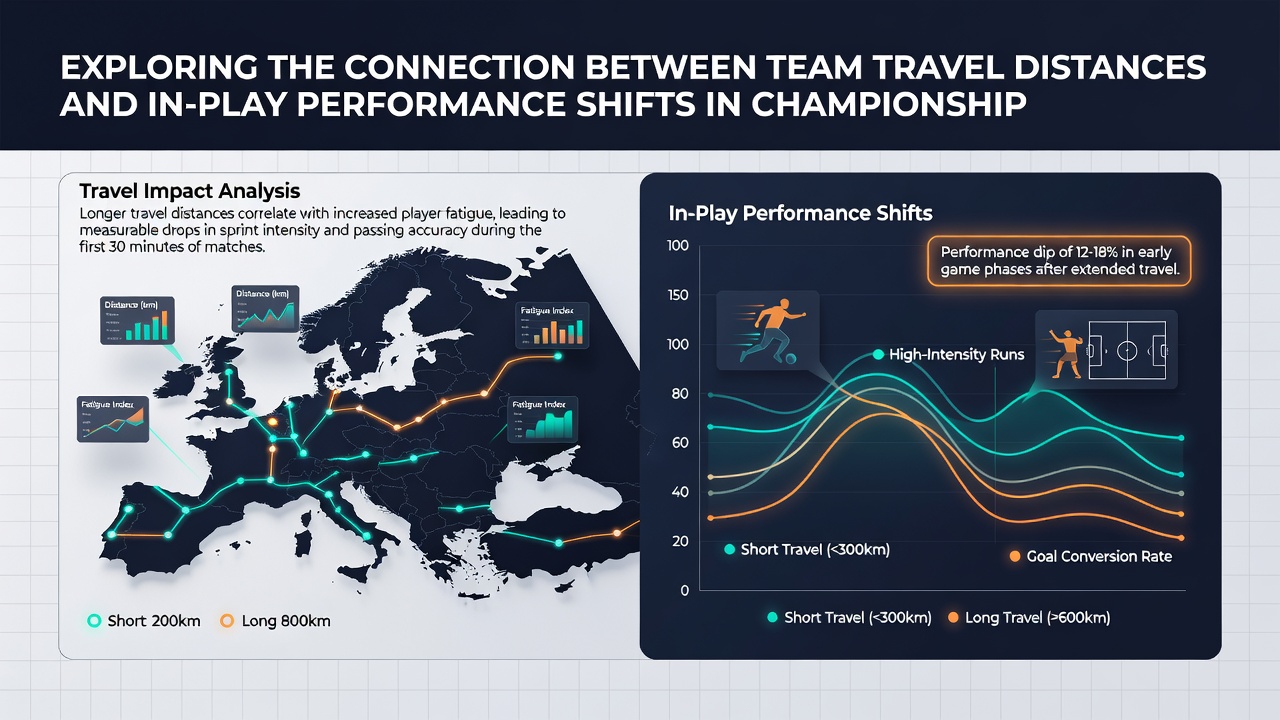
Studies conducted by sports science departments at universities in Australia and Canada have examined similar travel demands in other professional leagues. Those analyses found that athletes covering distances exceeding 300 miles in the 48 hours before kickoff recorded 6-8 percent fewer high-intensity runs in the opening 30 minutes compared with players arriving from shorter trips. Observers note the same pattern appears in Championship data when GPS units are worn during matches, although individual recovery protocols and squad rotation can blunt the impact.
Heart-rate recovery times also lengthen after extended coach or train journeys. One dataset compiled by a European sports research group showed elevated baseline heart rates persisting into the second half for players who spent more than four hours traveling the day before a game. The result is often a slower tempo in midfield and fewer successful presses inside the opposition half during that period.
In-Play Shifts Observed in Recent Seasons
Performance changes become visible in specific phases of play. Teams arriving after longer distances tend to concede more shots from distance in the first 15 minutes, according to match-event data. Conversely, the same sides sometimes increase long-ball usage later in matches once fatigue sets in, leading to altered possession statistics. A case study of three clubs during the 2024-25 season illustrated how one side, after a 380-mile round trip, recorded a 12 percent drop in progressive passes between the 60th and 75th minutes.
Role of Recovery Windows and Scheduling
Turnaround times between fixtures influence outcomes more than raw mileage alone. When clubs receive only 48 hours between games, the combination of travel and limited rest amplifies small deficits. League records show that August and December schedules produce the highest concentration of short-recovery fixtures, and performance analysts have tracked corresponding dips in duel success rates for away sides. Teams with larger squads can rotate personnel to offset these effects, yet smaller Championship rosters often lack that flexibility.
Comparative Insights from Other Leagues
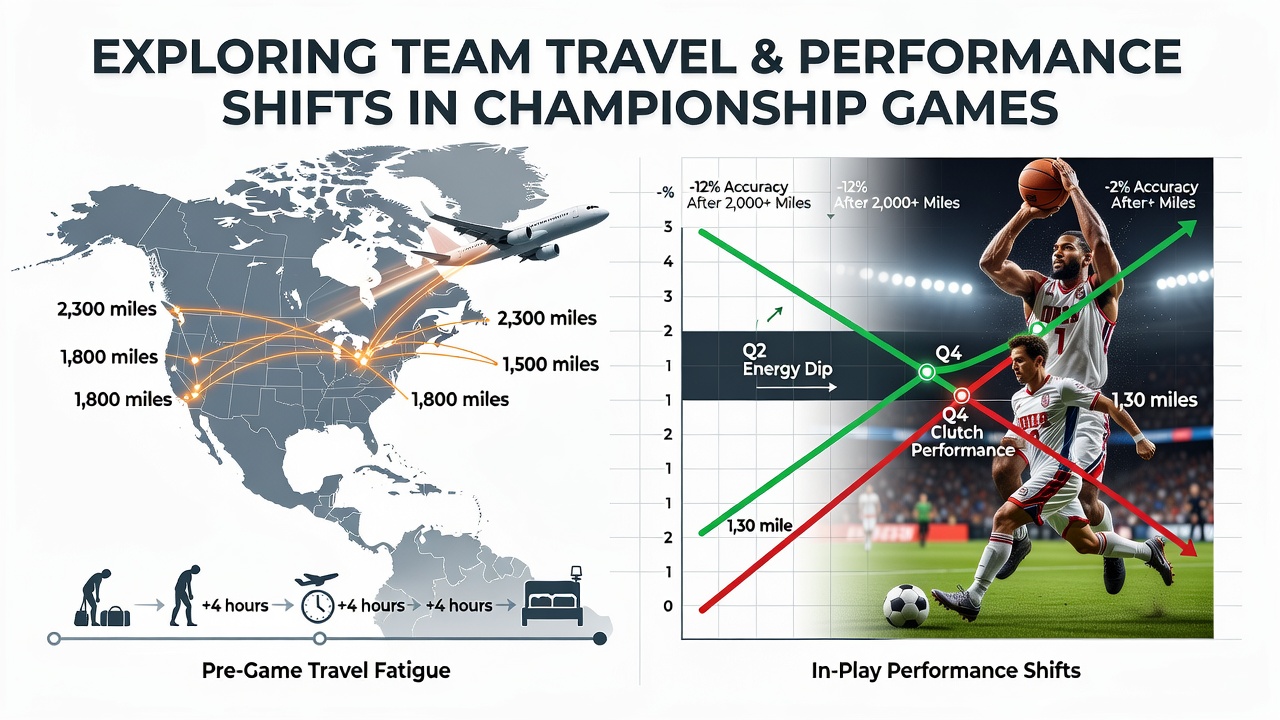
Research published through the National Institutes of Health examined North American professional sports and identified parallel trends, noting that cross-country flights correlate with reduced shooting accuracy in the first quarter of basketball games. A separate report from the Australian Institute of Sport reached similar conclusions for rugby teams covering interstate distances. Championship clubs do not face transcontinental flights, but the shorter yet frequent journeys still accumulate across a 46-game season.
Tracking Tools and Future Data Collection
Clubs increasingly rely on wearable technology and sleep-monitoring devices to quantify travel stress. These tools generate granular datasets that coaching staff use to adjust training loads in the days leading up to away fixtures. As the 2026-27 season approaches, several Championship sides have begun sharing anonymized movement data with academic partners to refine predictive models. The goal is to identify which combinations of distance, departure time, and match timing produce the clearest performance shifts once the whistle blows.
Conclusion
Travel distances in the Championship create measurable but variable effects on in-play metrics. Physical output, technical execution, and tactical choices all shift in patterns that researchers continue to map. Continued collection of GPS, heart-rate, and event data will clarify how clubs can mitigate these influences through scheduling adjustments and recovery strategies.