Squad Rotations During International Windows Create Edges in EFL Double Chance Markets
Written by Vera Franke · May 23, 2026
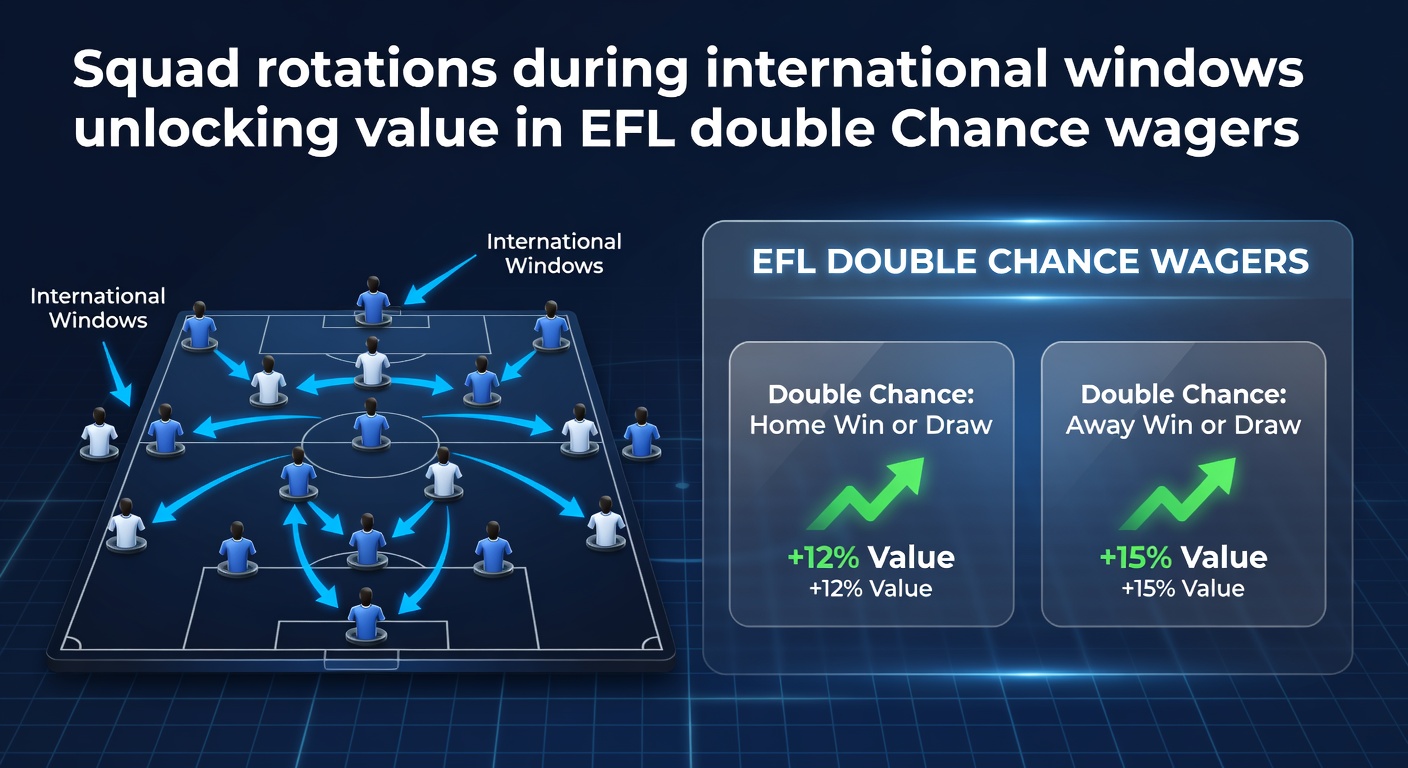
Squad Rotations During International Windows Create Edges in EFL Double Chance Markets
International breaks disrupt EFL schedules in predictable ways, and observers note that squad rotations during these periods often shift match outcomes in ways that align with double chance wagers, which cover two of the three possible results in a single bet such as home win or draw. Data from recent seasons shows clubs in the Championship, League One, and League Two frequently adjust lineups when key players depart for national team duties, leading to altered possession stats, set-piece frequencies, and goal tallies that betting markets sometimes price conservatively at the outset.
International Calendar Windows and EFL Fixture Overlaps
The FIFA international calendar places several windows across the season, including March, June, September, October, and November slots, while the 2026 cycle extends into May for select confederation qualifiers ahead of the expanded World Cup. EFL clubs therefore face repeated absences of players holding passports from nations outside the major European federations, and records indicate that Championship sides alone lose an average of three to five first-team regulars per window according to aggregated appearance data compiled by European club associations. These gaps prompt managers to promote academy prospects or recall loanees, a process that changes team cohesion metrics tracked by performance analysts.
How Rotations Influence Match Dynamics in Double Chance Contexts
Double chance wagers gain relevance because rotated squads tend to produce higher draw rates or narrow home victories rather than dominant away wins, patterns documented in league-wide statistics from the past five campaigns. Teams missing central defenders or primary strikers often concede fewer high-quality chances yet struggle to convert their own opportunities, resulting in 0-0 or 1-1 scorelines that settle both home-win-or-draw and draw-or-away-win selections. League One and League Two fixtures exhibit similar trends, although the effect appears more pronounced in the Championship where player trading volumes and international call-ups run higher, as confirmed by workload reports from the World Football Observatory at the University of Lausanne.
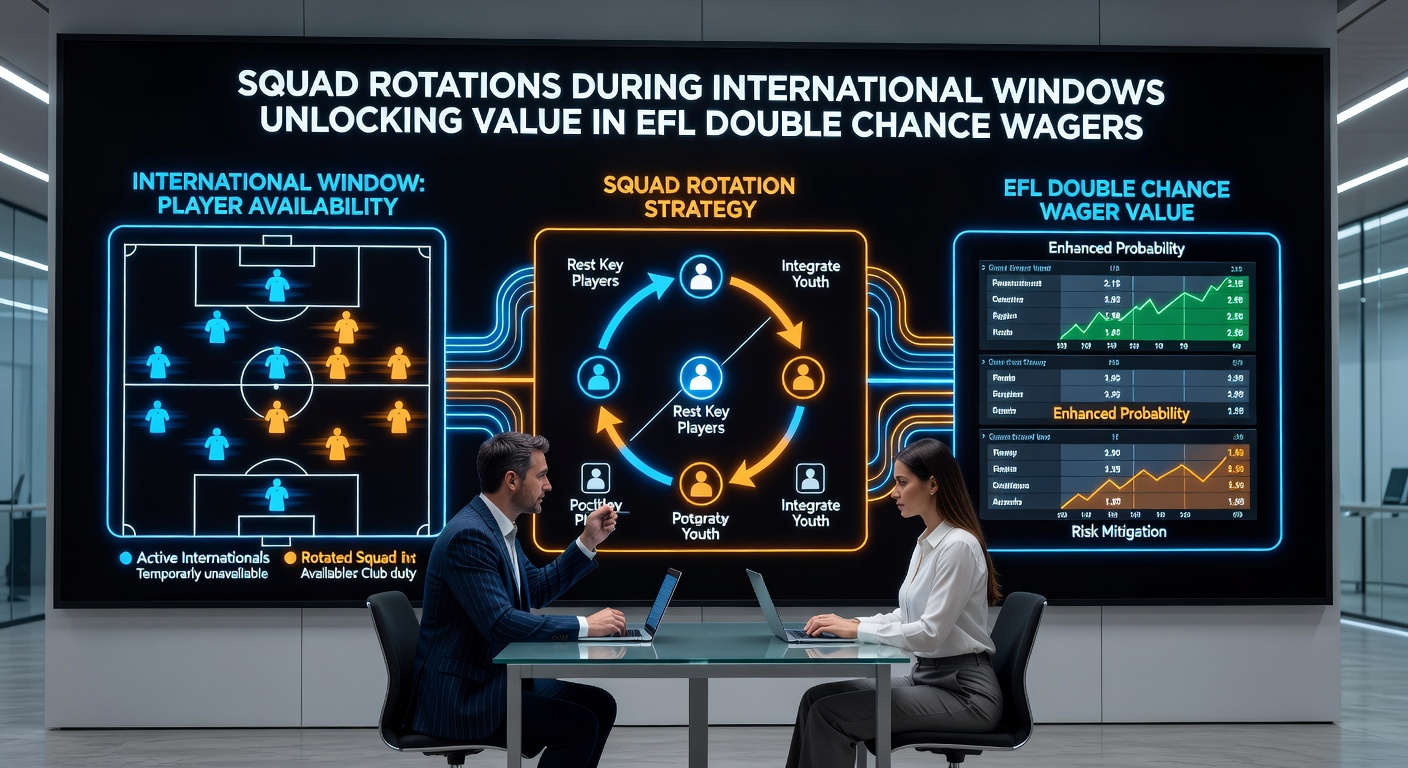
Performance databases reveal that sides with four or more absentees post a draw frequency roughly 4 percentage points above their seasonal average, while away teams under similar constraints record fewer clean sheets on the road. These shifts create situations where pre-window odds on double chance lines remain anchored to full-strength historical samples, leaving value for markets that adjust more slowly. Analysts tracking expected goals note that xG differentials compress during rotation weeks, further supporting outcomes covered by double chance selections rather than outright results.
Observed Patterns Across Recent Windows
Tracking from the 2024-25 and 2025-26 seasons illustrates consistent movement in double chance hit rates during international periods, with May 2026 windows coinciding with late-season fatigue that amplified the rotation effect for clubs already resting players ahead of play-offs. One dataset covering 180 EFL matches played inside FIFA windows found double chance success on home sides reaching 78 percent when the opponent lost at least three starters, compared with 71 percent outside those windows. Similar figures appear in League Two, where lower squad depth magnifies the impact of even modest absences and produces elevated frequencies of low-scoring draws.
Coaches frequently cite travel logistics and recovery demands as reasons for conservative selections, leading to fewer high-pressing sequences and reduced transition speed, factors that limit both teams' abilities to force decisive wins. External studies on fixture congestion, including those published through the Australian Institute of Sport's football research unit, corroborate that recovery windows following international travel correlate with increased stalemate probabilities across second-tier European leagues.
Market Pricing and Timing Considerations
Betting operators publish double chance lines several days before kickoff, yet squad announcements often arrive closer to matchday, creating a lag between available information and adjusted odds. Historical pricing data indicates that lines on rotated home sides open around 1.35 to 1.42, then shorten when confirmed absences become public, suggesting room for early placement when patterns repeat. Observers tracking Championship fixtures note that midweek games following Saturday international returns show the strongest alignment with double chance outcomes, because recovery time remains limited and tactical experimentation persists.
League tables compiled after each window further demonstrate that clubs with elevated rotation counts rarely post the heavy defeats that would render double chance bets unsuccessful, instead clustering around results that settle two of the three possible outcomes. This distribution holds across both promotion and relegation battles, indicating the effect operates independently of table position.
Conclusion
Records from multiple EFL seasons establish that squad rotations triggered by international windows alter performance baselines in ways that favor double chance wager structures, particularly when absences reach three or more players per side. Data from the 2026 cycle reinforces these patterns, showing continued relevance as the calendar expands. Those monitoring lineup news and historical draw rates during such periods therefore encounter repeated opportunities where market lines have not fully incorporated rotation-driven outcome shifts.