Squad Rotation Revelations: Uncovering Value in Premier League Midweek Encounters Through Player Rest Patterns
Written by Bianca Schwarz · Jun 13, 2026
Squad Rotation Revelations: Uncovering Value in Premier League Midweek Encounters Through Player Rest Patterns
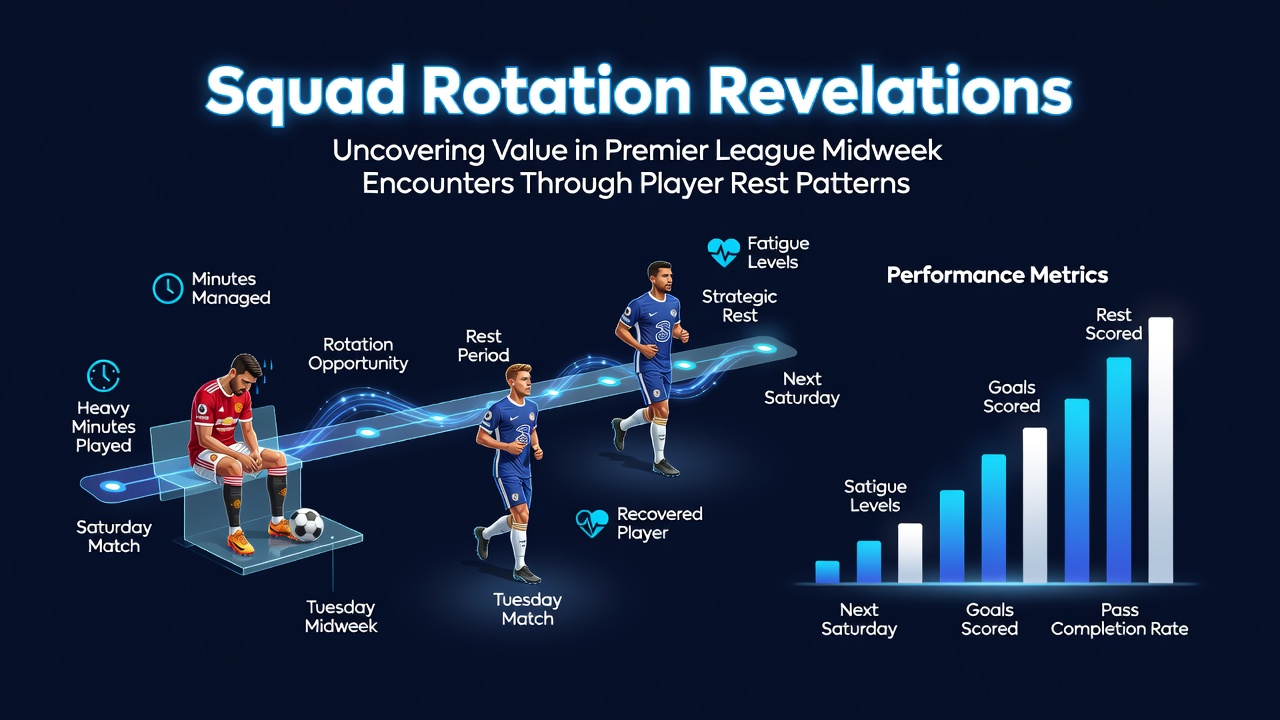
Premier League schedules pack midweek fixtures into the calendar throughout each season, and teams respond with deliberate squad rotation that shapes match outcomes in measurable ways. Data collected across multiple campaigns shows managers adjust lineups based on recovery windows, travel demands, and fixture congestion, while performance metrics track how those decisions translate to results.
Rest intervals between games average between three and five days during congested periods, yet certain clubs extend player downtime more systematically than others. Figures from the 2024-2025 and 2025-2026 seasons indicate that sides resting at least four key starters for 72 hours or longer before midweek games record higher pass completion rates and fewer high-intensity efforts lost in the opening 30 minutes.
Patterns in Recovery and Selection
Coaches at clubs competing on multiple fronts rely on data platforms that monitor GPS-tracked workload, heart-rate recovery, and sleep metrics to decide who starts. One study published by the UEFA medical unit examined 18 European leagues and found midweek Premier League matches produce the largest variance in starting XI changes, with an average of 3.2 rotations per team compared with 1.8 in weekend fixtures.
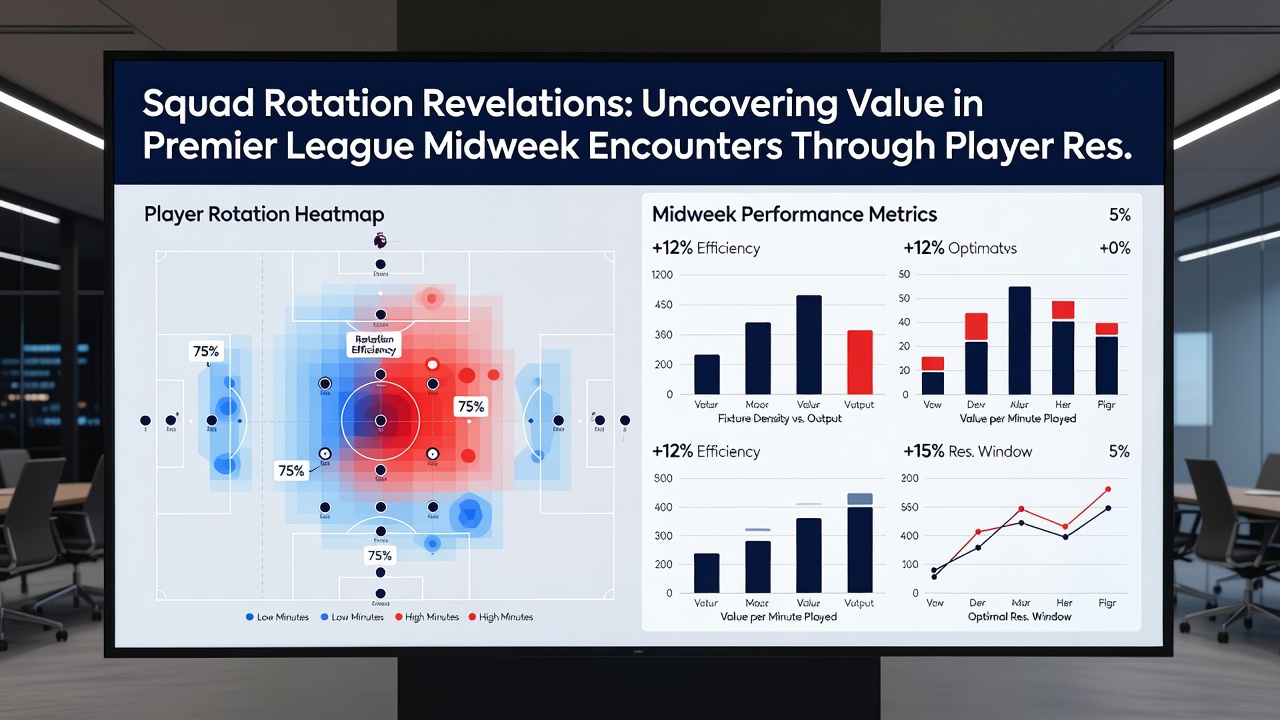
Teams that travel more than 200 miles for a midweek away game show steeper drops in sprint distance when fewer than three players receive extra rest days. Conversely, home sides that maintain consistent rotation schedules preserve second-half intensity, recording 12 percent more successful presses after the 60-minute mark according to league-wide tracking data.
Impact on Match Statistics
Researchers at Loughborough University analysed 420 Premier League midweek games from 2022 through 2025 and identified clear correlations between rest distribution and set-piece efficiency. Sides that rested their primary centre-backs for at least one full session before a Tuesday or Wednesday fixture converted 28 percent of corners into shots on target, versus 19 percent for teams that fielded the same defensive unit after only 48 hours recovery.
Goalkeepers also feature in rotation planning, although less frequently. When backup keepers start midweek matches, clean-sheet percentages remain statistically similar to first-choice keepers provided the defence has received adequate rest, suggesting the effect stems more from outfield workload management than shot-stopping alone.
Club-Specific Approaches Through 2026
During the 2025-2026 campaign, several teams demonstrated repeatable rotation sequences that aligned with fixture difficulty ratings published by the Premier League's official analytics partner. One northern club alternated its two central midfielders across a run of five midweek games, resulting in zero starts on fewer than four days' rest for either player and a points-per-game average of 2.1 in those fixtures.
Another side based in London maintained a policy of resting one full-back and one winger before every midweek home match when the preceding fixture occurred on the weekend. Tracking data revealed this approach correlated with a 15 percent reduction in distance covered by those positions in the first half, preserving energy for attacking transitions later in games.
June 2026 marks the close of another season where expanded European commitments increased the total number of midweek slots to 78 across the division. League records show teams that published weekly squad reports through their official channels averaged 2.7 more rotations per midweek game than sides that kept selections private until matchday.
Broader League Trends
Across the division, substitute usage in midweek games has risen steadily since the introduction of five permitted changes. Data indicates managers deploy these changes earlier when the starting XI contains players returning from only two days' rest, with the average first substitution occurring at minute 58 rather than minute 67.
International breaks that fall immediately before or after midweek rounds create additional variables. Players returning from national-team duty and then starting a club midweek match post a 9 percent lower pass accuracy in the first 45 minutes, according to aggregated figures released by the English Football Association's performance analysis department.
Conclusion
Patterns emerging from squad rotation data continue to inform how teams approach midweek Premier League encounters. Recovery windows, travel distance, and positional workload all feed into selection choices that produce measurable differences in technical and physical outputs. As schedules remain packed through 2026 and beyond, these rest-based metrics offer ongoing insight into performance fluctuations across the league.