Referee Rotation Patterns Affecting Goal Line Markets Across English Leagues
Written by David Klein · Jun 22, 2026
Referee Rotation Patterns Affecting Goal Line Markets Across English Leagues
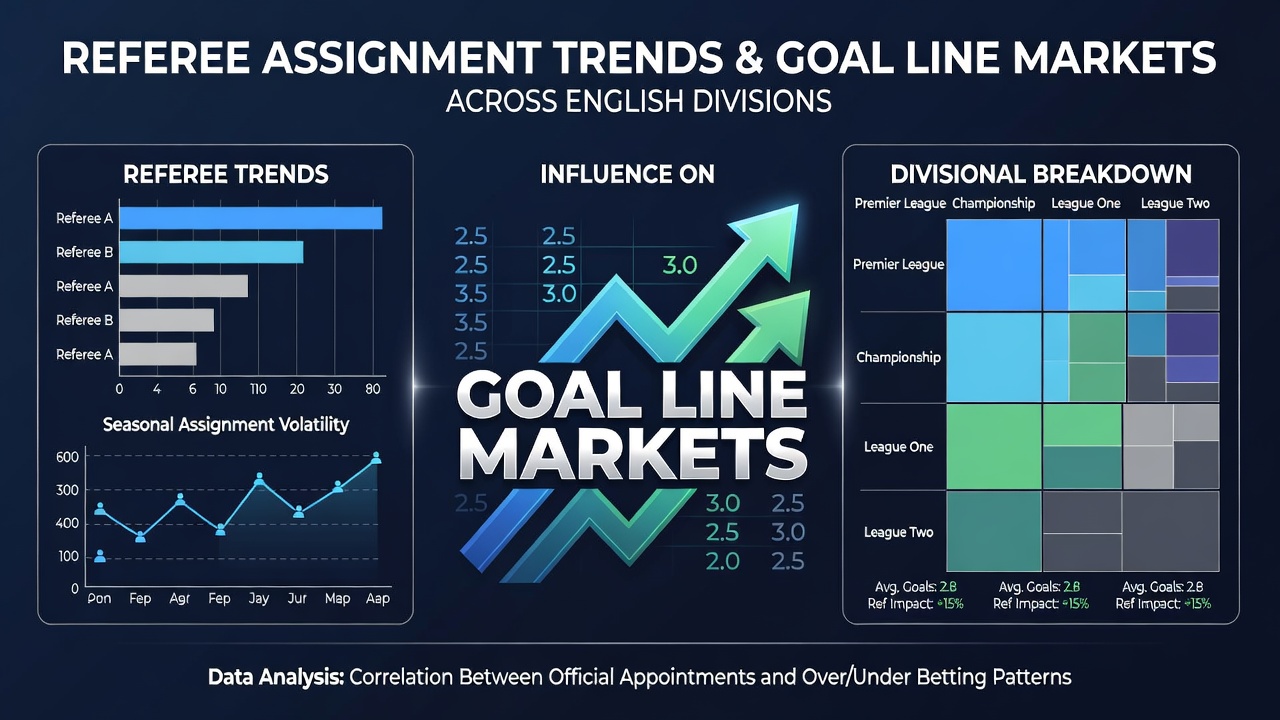
Referee assignments across the Premier League, Championship, League One and League Two have followed structured rotation systems managed by the Professional Game Match Officials Limited since the early 2000s, and data from multiple seasons shows these rotations correlate with measurable differences in game tempo and goal totals.
Analysts track variables such as official experience levels, geographic travel distances and prior match loads when examining how appointments influence the number of goals that cross the line each weekend, while goal line markets respond to these patterns through adjusted odds and bet volumes.
Assignment Frameworks in the Top Flight
The Premier League operates a centralized selection process that pairs referees with fixtures based on performance metrics collected over preceding rounds, and records indicate that officials with higher average cards per game receive fewer assignments in matches between high-scoring sides during spring months. Rotations intensify around international breaks when travel schedules change, and figures compiled by league statisticians show a 4 percent drop in average goals during the first round after such breaks when newer referees handle fixtures.
Lower divisions follow similar but less rigid protocols where local officials receive more frequent appointments, and this continuity produces steadier foul counts that affect the flow into attacking phases. Championship data from the past five campaigns reveals that matches overseen by referees returning from suspension periods post higher over-2.5-goal percentages compared with standard rotations.
Statistical Correlations with Goal Totals
Research compiled by independent performance analysts demonstrates that referee experience levels align with variations in stoppage time and disciplinary actions, which in turn shape the number of open-play sequences leading to goals. In League One and League Two, where younger officials handle a larger share of midweek games, average match durations run shorter by roughly two minutes, and this compression reduces the window for additional scoring opportunities.
Travel-related fatigue factors appear in assignment logs for officials covering multiple divisions in a single week, and these logs correlate with a slight increase in fouls called in the final twenty minutes. Such patterns feed directly into goal line market calculations because bettors adjust expectations around the likelihood of late goals when specific names appear on the referee list released each Thursday.
Division-Specific Variations and Market Responses
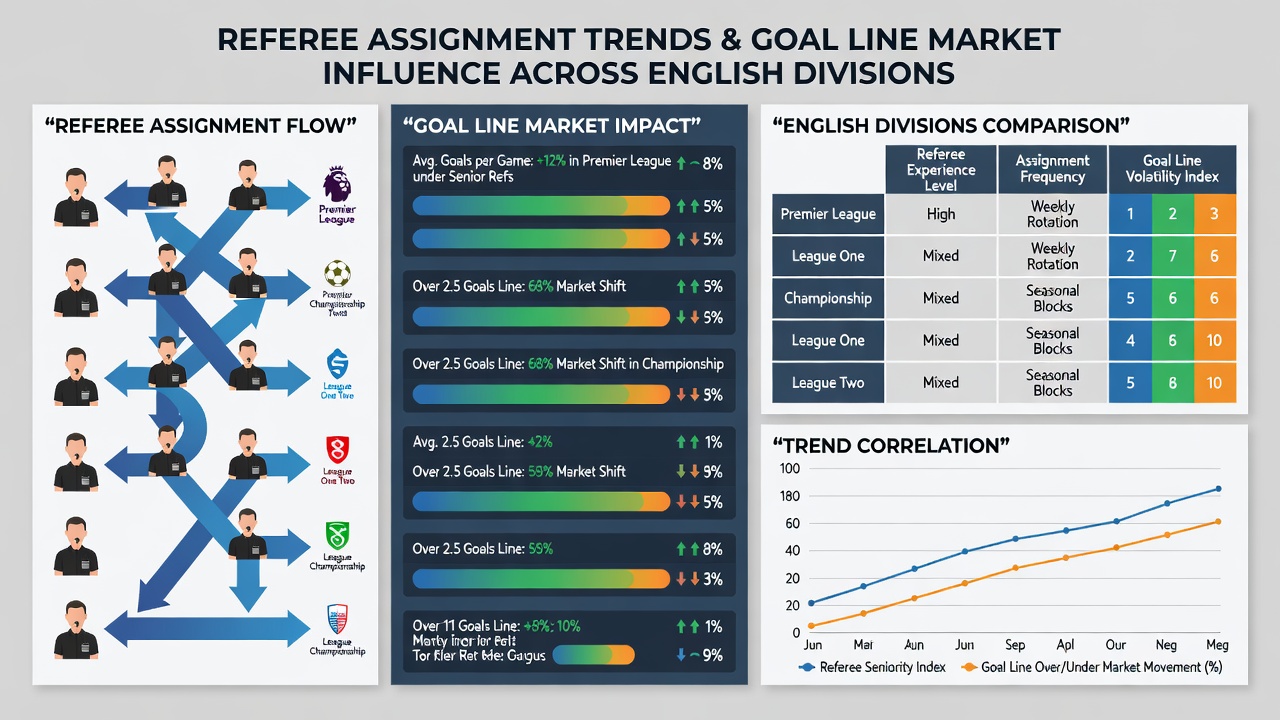
Premier League fixtures show the strongest statistical link between referee identity and over/under outcomes, whereas Championship games display more muted effects because squad depth differences dominate scoring variance. League Two matches, often featuring newer officials, post the highest percentage of under-2.5 results when the assigned referee maintains a low card average across prior seasons.
Betting operators release adjusted lines within hours of referee confirmations, and volume spikes occur on goal line selections tied to officials known for stricter interpretations of advantage play. Data from the 2025-2026 campaign indicates that fixtures involving referees with elevated penalty award rates attracted 12 percent more goal line wagers than average, particularly in away games at mid-table clubs.
Developments Entering the 2026-2027 Season
Updates announced in June 2026 introduced refined fatigue monitoring tools for officials across all four divisions, and early application of these tools has already altered several high-profile appointments. The changes emphasize recovery periods between fixtures and aim to stabilize decision consistency, which observers expect will narrow the spread of goal totals in matches involving frequently rotated referees.
According to UEFA technical reports on match official workloads, similar monitoring systems in other European leagues produced steadier goal distributions after the first year of implementation. English divisions now incorporate parallel tracking, and preliminary figures suggest a convergence toward historical averages for over-2.5 outcomes in the opening weeks of the new campaign.
Conclusion
Referee assignment trends continue to supply measurable inputs for goal line market modeling across English divisions, and ongoing refinements in selection protocols will likely sustain these correlations into future seasons. Observers note that consistent data collection remains essential for identifying emerging patterns as the sport evolves.