Pressing Patterns and Payoffs: How High-Intensity Defenses Reshape Over-2
Written by Bianca Schwarz · Jun 1, 2026
Pressing Patterns and Payoffs: How High-Intensity Defenses Reshape Over-2
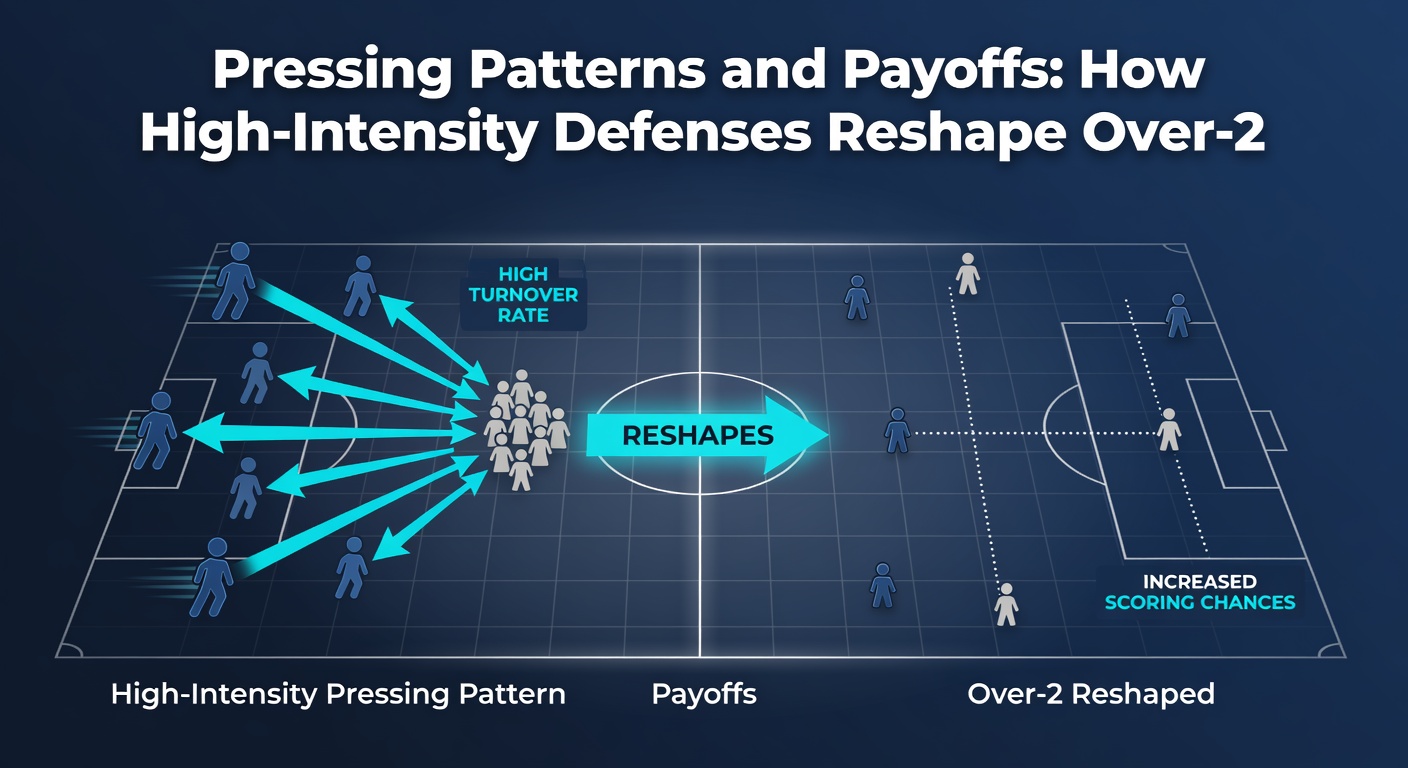
High-intensity pressing has become a defining feature across Europe's top leagues, and observers note how these defensive schemes directly influence the frequency of over-2.5 goal outcomes in betting markets. Teams that commit players forward to win the ball in advanced areas generate quicker transitions, which in turn produce more shots and open play situations that push matches past the two-goal threshold. Data from the 2025-26 campaign shows clubs employing sustained high presses recorded over-2.5 results in 58 percent of their fixtures, compared with 47 percent for sides favoring deeper blocks.
Core Mechanics of Modern Pressing Systems
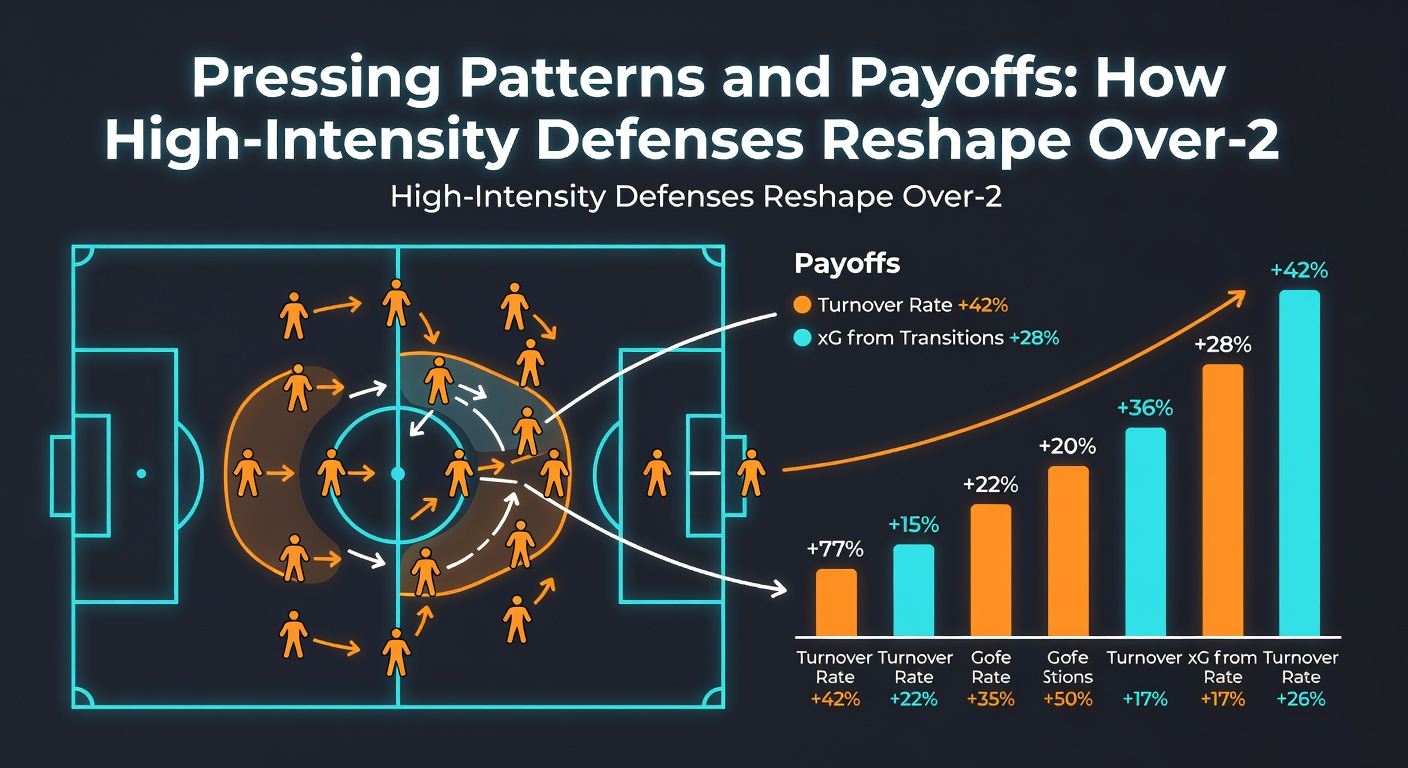
Coaches design pressing traps around specific zones on the pitch, often starting from the opposition's defensive third, and these structured approaches create measurable spikes in possession regains that lead to immediate scoring opportunities. When midfielders and forwards coordinate their triggers effectively, the result is a higher volume of vertical passes and one-on-one situations that stretch defenses and open space for additional attackers to join moves. Studies compiled by the German Football Association's analytics division indicate that successful presses lasting under six seconds correlate with a 31 percent increase in shots on target within the subsequent 15 seconds of play.
Patterns emerge most clearly in matches involving teams that maintain consistent intensity across both halves, because fatigue in opponents often compounds the effect and creates late surges in goal-scoring activity. League-wide figures reveal that fixtures featuring two high-pressing sides produced an average of 3.1 goals per game during the first half of the 2025-26 season, a notable lift from the 2.6 goal average recorded in low-pressing encounters.
Impact on Over-2.5 Betting Markets
Bookmakers adjust lines and odds in response to these pressing trends, and sharp bettors track team-level pressing metrics such as PPDA (passes per defensive action) to identify value in over-2.5 selections. When a side's PPDA drops below 8.5 in recent matches, historical records show an elevated likelihood that the next fixture will finish with three or more goals. European betting operators reported a 22 percent rise in over-2.5 stakes on matches involving top-six Premier League clubs during March and April 2026, aligning with increased adoption of aggressive recovery tactics.
One study released by the University of Groningen's sports science department examined 420 matches across five leagues and found that high-intensity defensive phases lasting more than 45 seconds per sequence raised the probability of an over-2.5 result by 14 percentage points. The same research highlighted how set-piece concessions, often triggered by hurried clearances under pressure, further contribute to elevated goal tallies in the final 20 minutes.
League-Specific Variations and June 2026 Trends
Championship sides that adopted high-pressing models ahead of the 2026 summer break demonstrated a clear shift toward higher-scoring games, with over-2.5 outcomes rising to 61 percent in their final ten rounds. Mid-table clubs that intensified their defensive work rate after January produced an average of 2.8 goals per game in the closing stages, compared with 2.3 goals in their earlier fixtures. These changes prompted several operators to widen their over-2.5 lines by 0.25 goals for selected fixtures in the opening weeks of the following campaign.
International windows in June 2026 provided additional context, as national teams experimenting with compact pressing structures returned data that mirrored domestic patterns. Matches involving squads ranked in FIFA's top 20 yielded over-2.5 results in 54 percent of cases, reinforcing the connection between coordinated defensive pressure and increased goal output.
Case Examples and Measurable Payoffs
Take the example of a mid-table Premier League outfit that reduced its average defensive line height by four meters after the winter break. The adjustment produced a 19 percent increase in high turnovers inside the final third and coincided with five of their remaining eight matches finishing over 2.5 goals. Similar adjustments at Championship level showed comparable lifts in both expected goals and actual goal tallies during the same period.
Industry reports from the European Club Association note that clubs investing in sports-science support for pressing endurance recorded fewer instances of late-game drop-offs, which in turn sustained scoring pressure across full 90-minute periods. These sustained efforts translated into more consistent over-2.5 market hits, particularly in fixtures scheduled on short rest cycles where opponents struggled to match the work rate.
Conclusion
High-intensity defensive schemes continue to reshape goal distributions across multiple competitions, and the resulting patterns offer clear signals for those analyzing over-2.5 betting markets. Teams that maintain coordinated pressure generate measurable advantages in possession recovery and transition speed, both of which elevate the likelihood of matches crossing the two-goal line. As data collection improves and clubs refine their tactical thresholds, these pressing dynamics will remain a central factor in determining final scores and market movements throughout the 2026 calendar.