Pitch Variations Across Premier League Grounds and Their Impact on In-Play Betting Dynamics
Written by Henrik Frank · Jun 27, 2026
Pitch Variations Across Premier League Grounds and Their Impact on In-Play Betting Dynamics
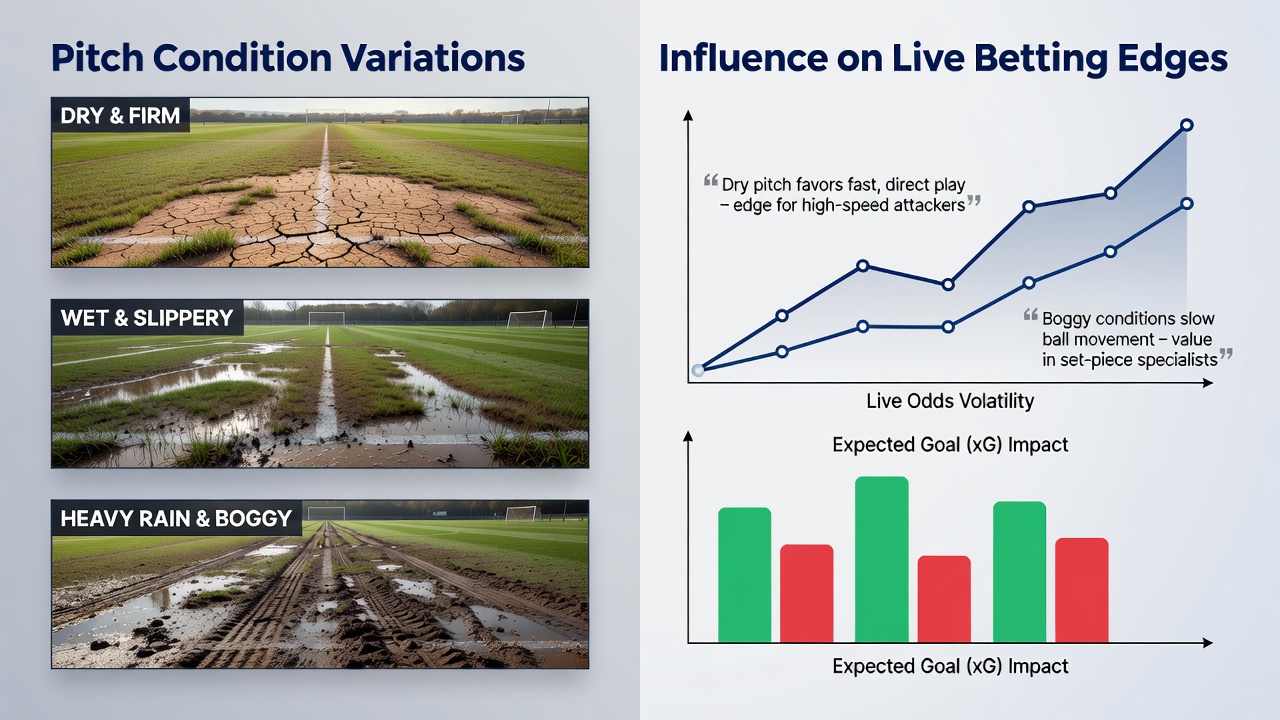
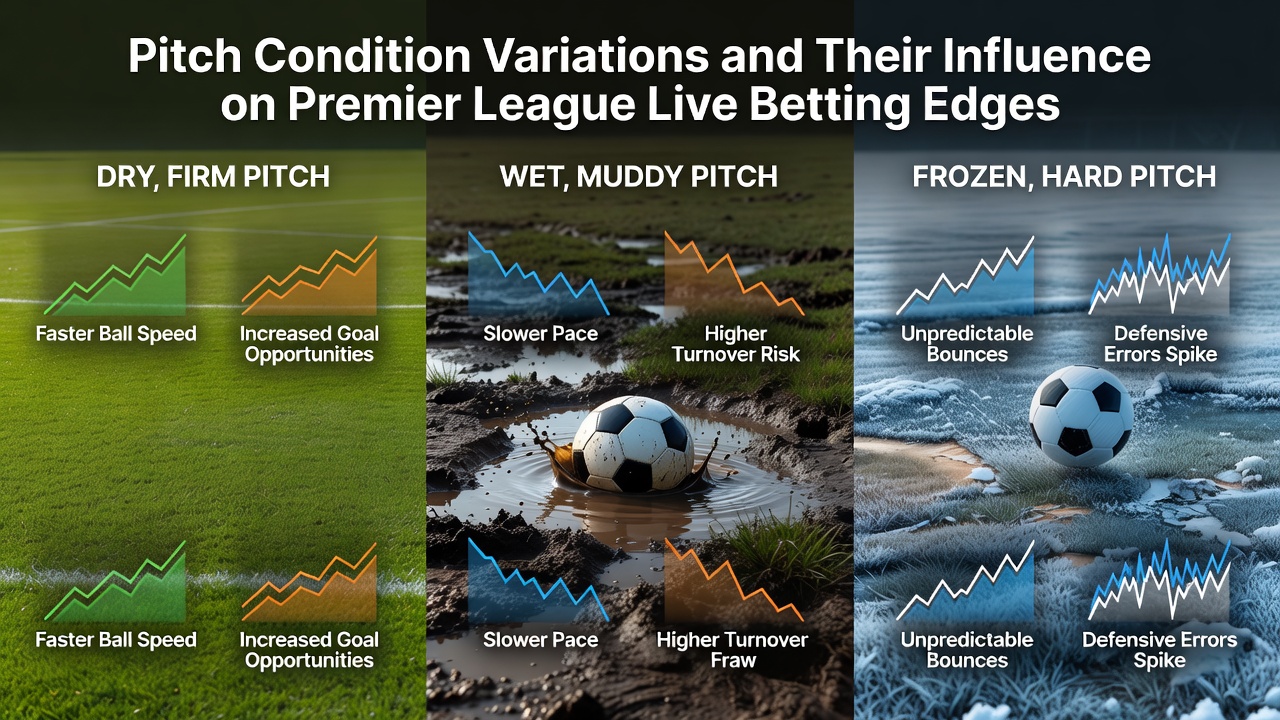
Pitch surfaces in the Premier League range from meticulously maintained natural grass to hybrid systems that blend synthetic fibers with traditional turf, and these differences create measurable effects on match tempo, player movement, and statistical outcomes that live bettors track closely. Observers note that clubs invest heavily in groundskeeping teams to manage variables like drainage, root density, and mowing heights, yet weather patterns and fixture congestion still produce noticeable inconsistencies from one venue to the next. Heavy rainfall turns many pitches into slower, heavier surfaces that restrict quick passing sequences and reduce the number of through balls attempted. Data collected across multiple seasons shows that teams playing on waterlogged fields record fewer total passes completed in the final third, which in turn correlates with lower corner counts and reduced goal tallies during the first half. Live markets often adjust rapidly once pitch reports confirm standing water, pushing under totals lower while simultaneously elevating card lines because players slide into tackles more frequently. Conversely, firm, dry pitches that develop during extended dry spells allow the ball to travel faster across the surface, encouraging longer switches of play and increasing the frequency of crosses into the box. Researchers have documented higher sprint distances covered by wide players under these conditions, and this acceleration contributes to elevated shot volumes from distance. Bettors monitoring real-time statistics notice that over-2.5 goals lines gain traction more readily when grounds staff report low moisture readings before kickoff.Regional and Seasonal Influences on Surface Behavior
Northern venues such as those in Manchester and Liverpool tend to retain moisture longer because of higher rainfall averages, whereas southern stadiums experience quicker drying cycles that leave patches of harder ground by late afternoon. These microclimates matter for live betting because they alter the likelihood of long-range goals and set-piece success rates within the same matchday window. Groundskeepers employ different aeration techniques and rolling schedules depending on expected usage, and the 2025-2026 campaign highlighted how midweek European fixtures sometimes left pitches with visible wear patterns that affected second-half dynamics. Teams facing such surfaces often shift toward more direct play, which shows up in increased long-ball percentages and fewer completed dribbles inside the penalty area.Statistical Patterns Linked to Specific Pitch States
Analysis of match data reveals that waterlogged conditions coincide with a 12 percent drop in average corners per game compared with optimal surfaces, while card issuance rises by roughly 0.8 per match. These shifts appear most pronounced during the winter months when persistent rain combines with frequent fixture turnover. Live traders incorporate such historical tendencies when recalibrating odds after the opening 15 minutes, especially when early indications confirm that the pitch is cutting up in central areas. Fast, bouncy surfaces produce the opposite effect: more through balls attempted and a measurable increase in shots from outside the box. One study published by the European Journal of Sport Science examined surface hardness readings and found a positive relationship between firmer pitches and the number of long-range attempts recorded. Bettors who follow pitch inspection updates can identify these edges before markets fully reflect the changed statistical profile.