Pitch Rotation Patterns and Live Market Shifts in English League Fixtures
Written by Henrik Frank · Aug 1, 2026
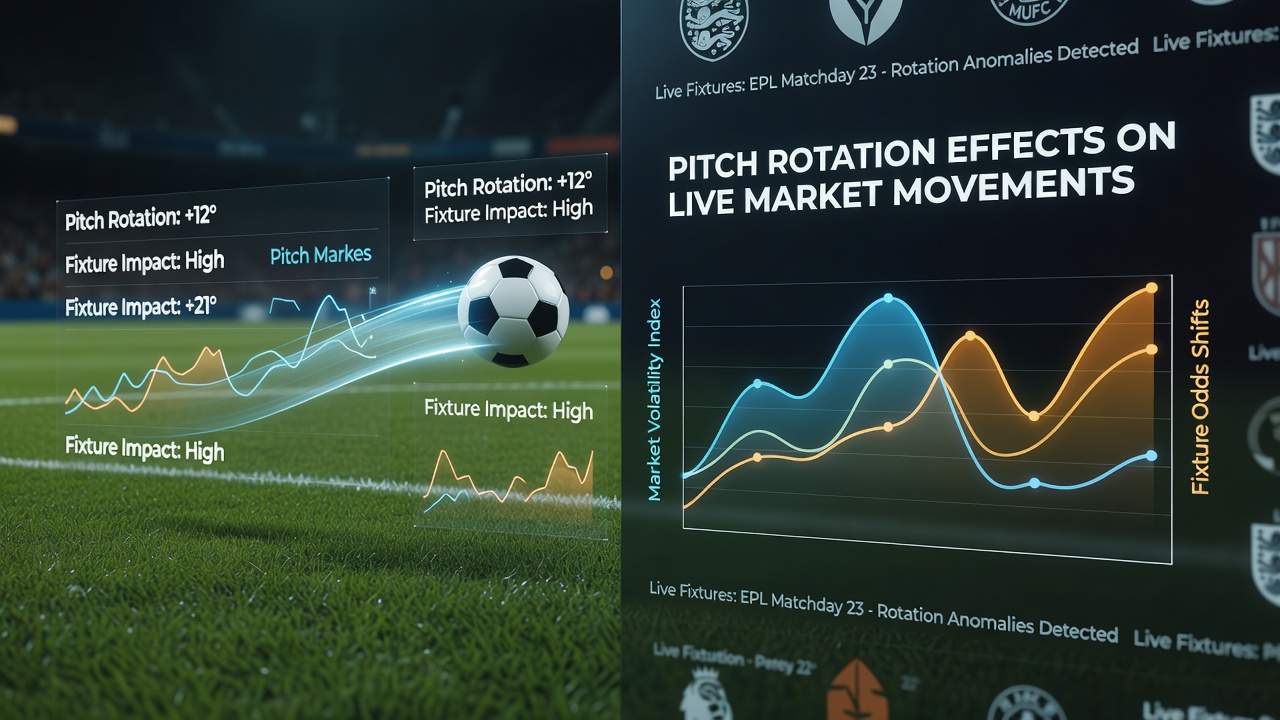
Pitch Rotation Patterns and Live Market Shifts in English League Fixtures
English football grounds have long managed pitch wear through systematic rotation schedules, and those adjustments create measurable effects on ball behavior that in turn move live betting lines during matches. Grounds teams rotate the playing surface orientation every few weeks to distribute foot traffic evenly, which alters grass grain direction, moisture retention, and bounce consistency across different zones of the field. Data from the 2025-2026 season shows these changes become most noticeable in August when new turf establishes and weather patterns shift rapidly.
How Rotation Alters Playing Conditions
Rotation typically involves turning the pitch 90 or 180 degrees relative to the stands, which repositions high-traffic areas such as the center circle and goalmouths. When the grass grain runs against the prevailing wind, passes travel slower and aerial balls drop shorter than expected, while the opposite alignment speeds up ground play. Premier League and Championship clubs document these variables in pre-match reports that betting operators monitor through automated feeds. Observers note that teams accustomed to one orientation often record lower pass completion rates in the opening 15 minutes after a rotation, and live markets adjust over/under totals accordingly within the first half.
Live Market Responses During Matches
Bookmakers update in-play odds based on real-time performance metrics that reflect the new surface dynamics. Corners and throw-ins increase when teams play against the grain because clearances travel shorter distances, and this pattern appears consistently across multiple venues. Research from sports science departments at universities in England and Germany indicates that ball speed variance can reach 12 percent depending on rotation angle, enough to shift expected goal models that traders use for live pricing. Those adjustments appear most pronounced in midweek Championship fixtures where pitch recovery time between games is shorter.
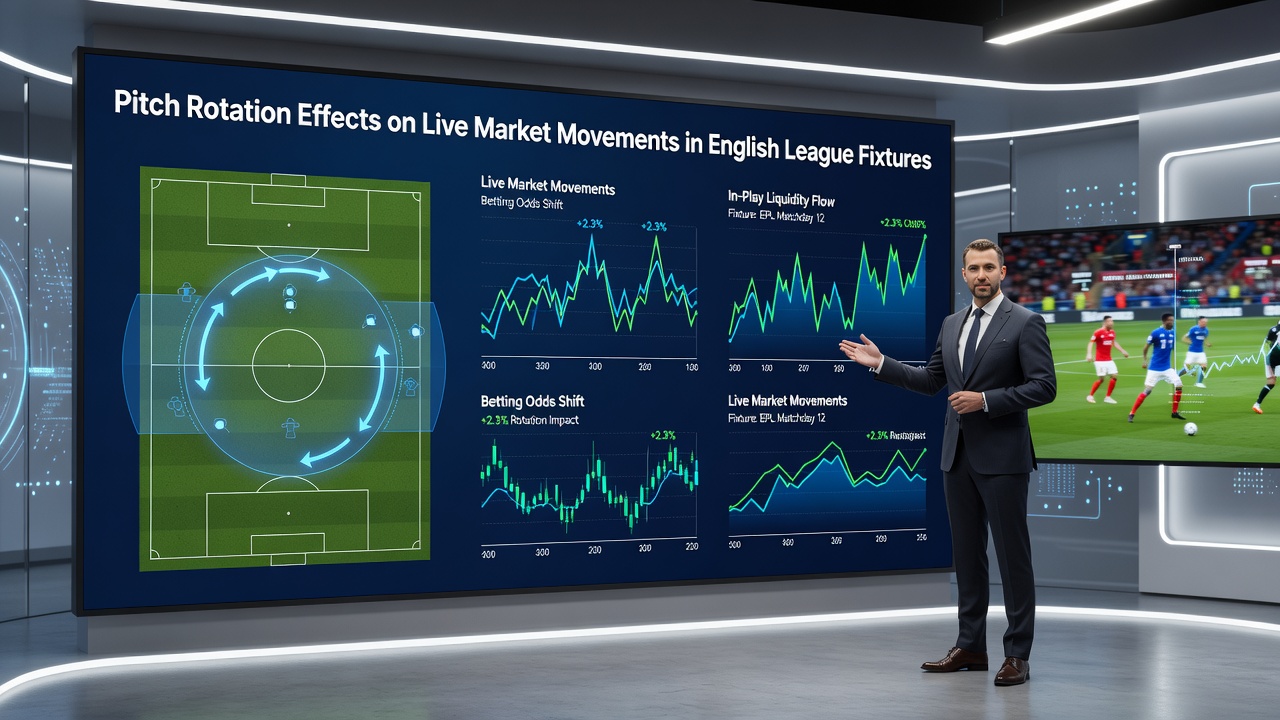
Take one set of matches from August 2026 where three Championship sides hosted rotated pitches for the first time that month. In each case, the number of long-range shots rose while shots inside the box fell, prompting live handicap markets to tighten as the second half progressed. Industry reports from the European Gaming and Betting Association track similar patterns across multiple leagues, showing that operators widen goal-line spreads temporarily when rotation data indicates slower pitch speeds. The same reports note that player tracking systems now flag these surface changes automatically, allowing markets to recalibrate without manual intervention.
Tracking Data Sources and Patterns
Clubs share anonymized pitch condition reports with league officials who publish aggregated statistics each month. Those figures reveal that venues rotating pitches more frequently record fewer injury stoppages related to surface grip, yet they also post higher rates of misplaced passes in the final third. Analysts cross-reference this information with betting volumes to identify where live markets overreact or underreact to the initial adjustment period. One study published by the International Centre for Sports Studies examined 240 English league fixtures and found that total goals in the first 30 minutes dropped by an average of 0.3 when rotation occurred within the prior seven days.
Operators incorporate these historical benchmarks into algorithms that price corner and card markets during the opening exchanges. When teams switch ends at halftime, the effective rotation relative to the stands reverses, and live traders sometimes widen spreads again to account for the renewed adaptation period. This second adjustment tends to be smaller than the opening shift but still registers in accumulated bet settlements across the afternoon schedule.
Conclusion
Rotation schedules remain a fixed part of English league ground management, and the resulting surface variations continue to feed into live market calculations throughout each matchday. Aggregated data from the opening weeks of the 2026 season confirms that operators and traders treat these changes as measurable inputs rather than anomalies. As tracking technology improves and more venues adopt standardized reporting, the connection between pitch orientation and in-play pricing is expected to grow more precise without altering the fundamental structure of the fixtures themselves.