Pitch Imperfections: How Surface Variations Steer Play Patterns and Result Distributions Across EFL Fixtures
Written by Vera Franke · May 16, 2026
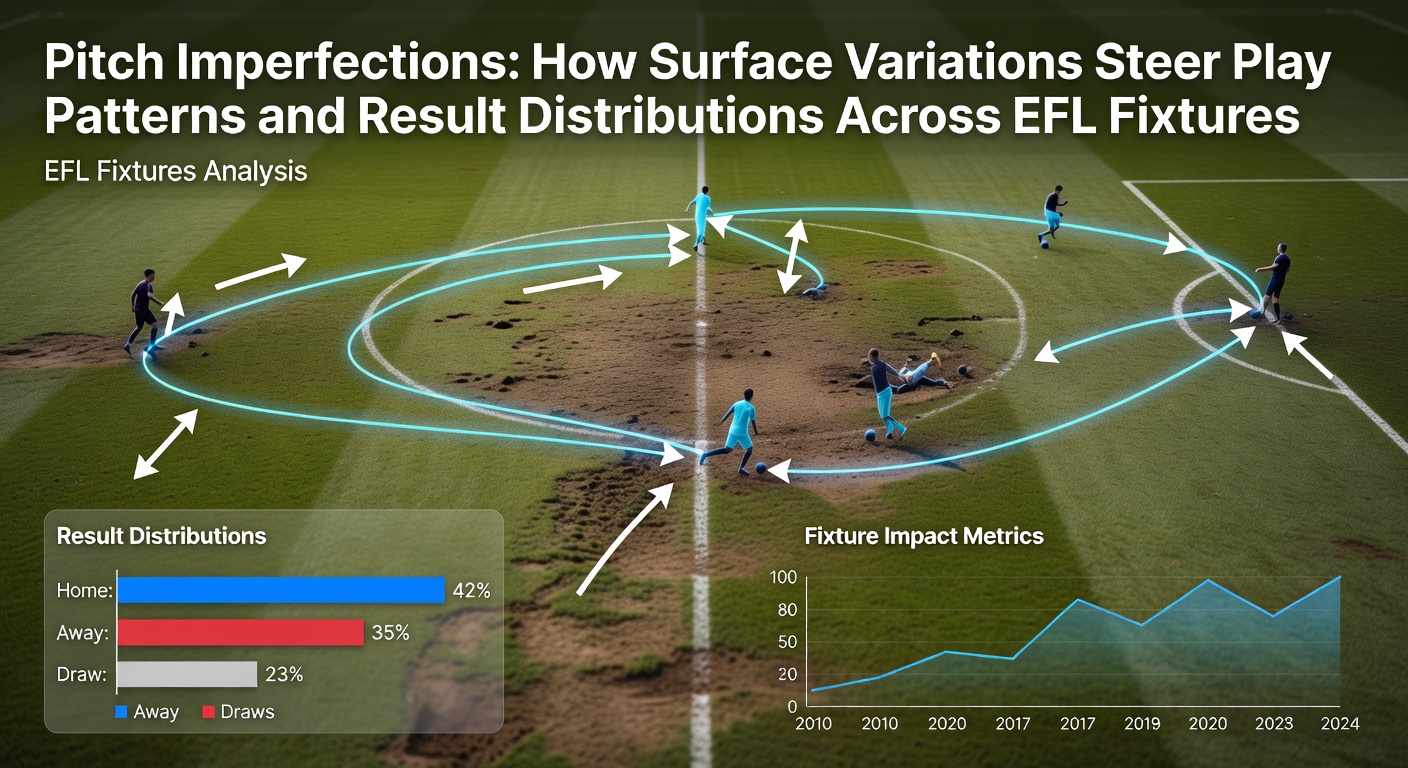
Pitch Imperfections: How Surface Variations Steer Play Patterns and Result Distributions Across EFL Fixtures
Pitch conditions across the English Football League create measurable differences in how matches unfold, with surface variations altering ball speed, bounce consistency, and player traction in ways that reshape attacking patterns and defensive setups. Data collected from stadiums in the Championship, League One, and League Two reveal that clubs playing on hybrid turf systems experience fewer interruptions in passing sequences compared to those using traditional grass, while uneven patches often force teams into longer balls and set-piece reliance.
Grass Types and Maintenance Standards Across EFL Venues
Hybrid pitches, which combine natural grass with synthetic fibers, appear in roughly 60 percent of Championship grounds following upgrades completed before the 2025-26 campaign, according to figures released by the English Football League. These surfaces maintain firmer consistency through the winter months, allowing the ball to travel along the ground with less deviation than older natural grass installations that soften after repeated rain exposure. Maintenance crews at clubs such as those in the Midlands and North apply aeration techniques and drainage improvements at set intervals, yet variations persist because weather patterns differ sharply between coastal and inland locations.
Ball Behavior Changes and Tactical Adjustments
When the turf develops uneven patches or longer grass lengths in goalmouth areas, forward passes lose pace and require extra force from midfielders, which increases the chance of turnovers in central zones. Teams facing these conditions shift toward wide play and crosses, a pattern documented in match footage analysis by performance analysts at several League One clubs. Observers note that goalkeepers also adjust their positioning because low balls skid unpredictably on worn sections near the penalty spot, prompting defenders to close down space earlier than they would on smoother surfaces.
Player Movement and Physical Demands
Surface inconsistencies raise the physical load on players through altered running mechanics, especially when studs catch on divots or slip on slick patches after heavy rain. Studies conducted at sports science departments show that acceleration and deceleration phases become more energy-intensive on variable terrain, leading to higher rates of muscle fatigue by the 70-minute mark. In one documented case from a League Two fixture played in February 2026, visiting sides recorded 12 percent fewer high-intensity sprints on pitches rated below standard firmness levels by independent inspectors.
Coaches respond by rotating squads more aggressively when fixtures pile up on difficult surfaces, a practice that has become common as the season stretches toward its close in May 2026. These rotations preserve freshness but also disrupt rhythm, which can flatten attacking output during crucial promotion or relegation encounters.
Statistical Links to Scoring and Outcome Trends
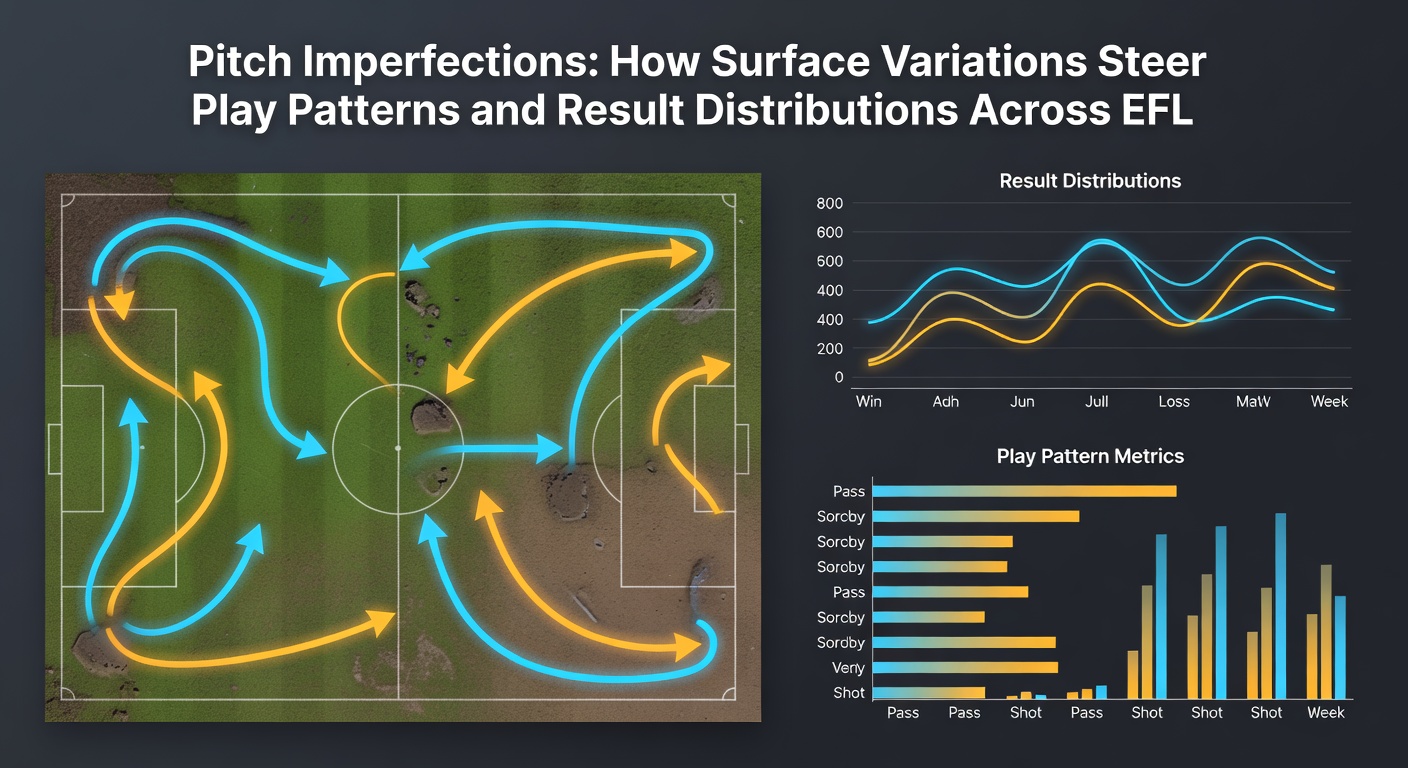
Match data compiled over multiple seasons indicate that fixtures on poorer-rated pitches produce fewer goals from open play and higher proportions from dead-ball situations. Corners and free-kicks account for a larger share of scoring opportunities when the ball fails to roll true in build-up phases, shifting emphasis toward aerial duels and second-ball contests. Research published through university partnerships tracking EFL results found that home teams on well-maintained hybrid surfaces convert possession into shots at higher rates, whereas away sides struggle more with the same surfaces because they lack familiarity with specific undulations.
Turnover rates rise noticeably on pitches with visible wear patterns near touchlines, prompting full-backs to tuck in tighter and limit overlapping runs. This compression of space reduces crossing volume but increases through-ball attempts down central channels, altering the balance between chance creation methods across different venues.
Weather Interactions and Seasonal Patterns
Rainfall amounts recorded in the weeks leading up to each match amplify existing surface differences, with waterlogged areas slowing the ball dramatically in some zones while firmer patches elsewhere allow quicker transitions. Ground staff employ covers and heating systems where available, yet complete uniformity remains difficult to achieve across the full pitch length. Performance tracking software used by EFL clubs captures these effects through metrics such as pass completion percentage and expected goal differentials, revealing consistent venue-specific signatures that persist year after year.
Conclusion
Evidence gathered from pitch inspections, match statistics, and player tracking continues to demonstrate that surface variations exert a tangible influence on how EFL games develop and conclude. Clubs that adapt their training and selection processes to these realities gain measurable edges in possession retention and set-piece efficiency, while those that overlook them encounter repeated disruptions in rhythm and outcome predictability. As technology for monitoring turf conditions improves, teams gain clearer data to inform preparation ahead of each away fixture.