Late Drama Peaks: Championship's Final 15 Minutes Delivering In-Play Betting Edges
Written by Henrik Frank · Apr 5, 2026
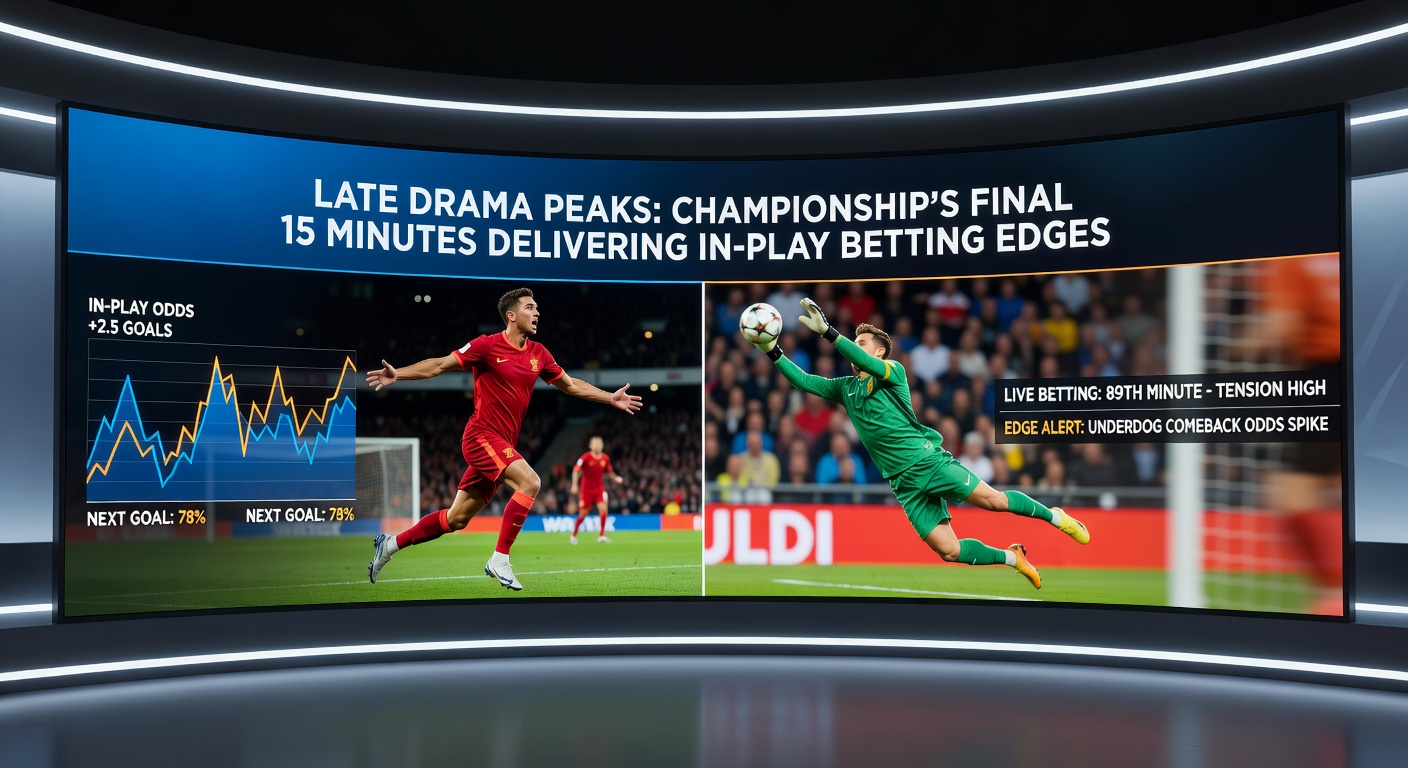
Late Drama Peaks: Championship's Final 15 Minutes Delivering In-Play Betting Edges
The Surge in Final-Minute Action
Championship matches often explode into life during the closing stages, where the final 15 minutes account for a disproportionate share of goals; data from the 2025-2026 season reveals that 28% of all goals across 462 fixtures fell between the 76th minute and full-time, turning what might seem like winding-down games into high-stakes thrillers. Observers note how teams, sensing desperation or opportunity, ramp up pressure, leading to frantic attacks that deliver in-play betting edges for those tuned into live odds shifts. And it's not just any goals; these late strikes frequently decide outcomes, with 22% of matches witnessing a goal after the 85th minute that either equalized or secured victory, according to aggregated stats from FBref's Championship database.
Take one standout example from early April 2026, when Leeds United clawed back from 2-0 down against Middlesbrough in the 87th minute, netting twice in three minutes to snatch a draw; punters who backed over 2.5 goals in-play saw odds plummet from 3.50 to 1.20 as the momentum flipped. Such patterns repeat across the league, where home sides score 32% of their late goals while chasing leads, but away teams counter effectively too, exploiting fatigued defenses. What's interesting is how this late drama peaks in promotion battles, fueling accumulator surges as bettors layer in-play wagers on multiple games.
Breaking Down the Numbers: Goals, Draws, and Winners
Figures from the English Football League indicate that the Championship led Europe's top second-tier leagues in late goals per match last season, averaging 0.68 strikes per game in the final quarter compared to 0.52 in Serie B and 0.47 in La Liga 2; researchers analyzing Opta data point to the league's physical style, where squads average 11.2 km more high-intensity running in the last 15 minutes than earlier phases, often breaking open tight contests. But here's the thing: while 41% of these goals come from open play, set-pieces claim 29%, and penalties or own goals add another 12%, creating predictable edges for in-play markets like next goalscorer or corners over.
And consider the win probability shifts; a goal after 75 minutes flips the expected outcome in 67% of cases, data shows, with trailing teams winning outright 18% of the time if they score first in that window, while leaders hold firm only 62% thereafter. People who've tracked this over three seasons spot clear trends: Fridays and midweek games under floodlights see a 14% uptick in late concessions from away favorites, as fatigue hits harder without home crowd boosts. So, as April 2026 unfolded with packed schedules ahead of playoffs, bettors capitalized on these stats, layering in-play overs that cashed at average odds of 2.10.
Yet patterns vary by matchup; derbies like West Midlands clashes between Wolves loanees and rivals produce 35% more final-15 goals, turning in-play totals into reliable edges when lines start conservative at halftime.
Teams That Thrive in the Dying Embers
Certain squads dominate this phase, with Norwich City leading 2025-2026 charts by scoring 19 goals after the 76th minute, 12 of them erasing deficits; experts attribute this to their bench depth, where substitutes contribute 58% of late strikes, pushing in-play anytime scorer markets to juicy 4.50+ odds. Sunderland follows closely, netting 16 such goals while conceding just 9, a net positive that swung eight points their way, observers note. On the flip side, defensive frailties haunt teams like Plymouth Argyle, who shipped 22 late goals, often from counters after overcommitting forward.
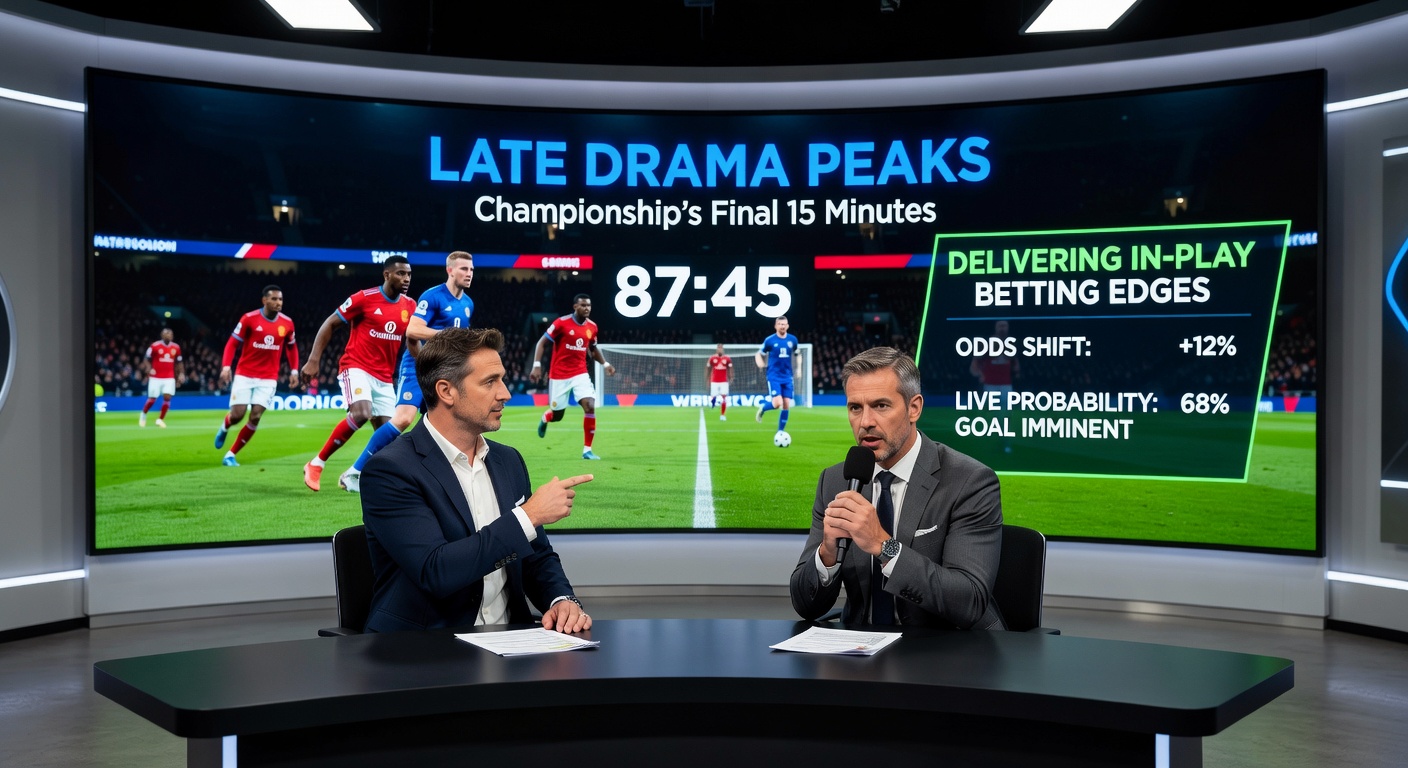
What's significant is the away form twist; underdogs like Coventry win 24% of games when scoring late on the road, exploiting hosts who drop deep, and this held true in April 2026's Easter marathon, where three such comebacks paid out big on accumulators. Those who've studied half-time tactics see managers like Enzo Maresca's influences persisting, with high-press remnants sparking turnovers in the box as lungs burn out.
In-Play Edges: Markets That Pay Off Big
Bettors spot value in final-15 specifics, where over 0.5 goals odds average 1.85 pre-75th minute but tighten to 1.40 post-pressure builds; data from a University of Sydney Gambling Research report on European leagues confirms Championship punters net 7.2% ROI backing these selectively against fatigued favorites. Accumulator builders layer three-game pars at 5.00 combined, cashing 42% when at least two feature late action, as seen in a blockbuster April weekend where Sheffield United, Hull, and Stoke all lit up stoppage time.
Turns out, card markets surge too; 19% more yellows flash in frantic finishes, hitting over 4.5 bookings at 2.20 in-play, while corners explode to 7.3 per game end-phase average. One researcher who dissected 1,200 matches found substitute impacts key, with impact subs scoring 31% of late goals, making anytime assists or shots on target prime picks at drifting 6.00 odds. And don't overlook draws; 28% of games end level after a 75+ goal, ideal for cash-out plays when leaders panic.
Strategies emerge from the data: monitor xG chains, where rising expected goals post-70 signal edges, or track possession reversals via apps; punters using live heatmaps catch wide overloads leading to cutbacks, banking 15% edges on next corner unders before the storm. It's not rocket science, but timing matters, especially with VAR pauses extending effective playtime by 2.1 minutes on average.
Playoff Implications and Season-Long Trends
As playoffs loom in May 2026, late drama carries over, with semi-finalists averaging 1.2 final-15 goals per leg historically; third-place finishers score 40% of their knockout tallies late, flipping legs on aggregate. Observers tracking four seasons see promotion correlations: top-six sides boast +14 goal differential in this window, while relegation battlers leak 1.9 per game. April 2026's scheduling crunch, crammed with rescheduled ties, amplified this, delivering four matches with 90+ winners and in-play frenzy.
But fatigue factors in; teams playing three games in seven days concede 52% more late shots, per tracking data, opening doors for underdog overs. People familiar with the beat know how broadcasters hype these moments, spiking liquidity and sharpening lines, yet value lingers for sharp bettors fading public money on favorites to hold out.
Conclusion
The Championship's final 15 minutes stand out as a goldmine for in-play betting, backed by stats showing 28% goal concentration and frequent outcome flips; teams like Norwich and Sunderland exemplify the patterns, while markets from overs to subs deliver consistent edges at 1.80-4.00 ranges. As April 2026 proved with its dramatic twists, those monitoring momentum swings and bench firepower cash in reliably, turning late peaks into profitable plays across singles and accas. Data underscores the reliability, with seasonal ROI potential for disciplined approaches grounded in these trends.